





How to Stop Cold Air Coming Through Your Front Door in Winter

When temperatures drop during winter, the last thing you want is cold air entering your home through the front door. A chilly hallway, cold floors and uncomfortable draughts can make it difficult to keep your home warm, even when your heating is switched on.
Cold air coming through your front door can have several causes. Worn weather seals, gaps beneath the door, loose hinges and poorly fitted frames can all allow unwanted air to enter. Fortunately, there are several ways to identify the problem and reduce draughts without immediately investing in a new door.
In this guide, we explain how to stop cold air coming through your front door, which simple fixes you can try yourself and when it might be worth considering a replacement.
Why Is Cold Air Coming Through Your Front Door?
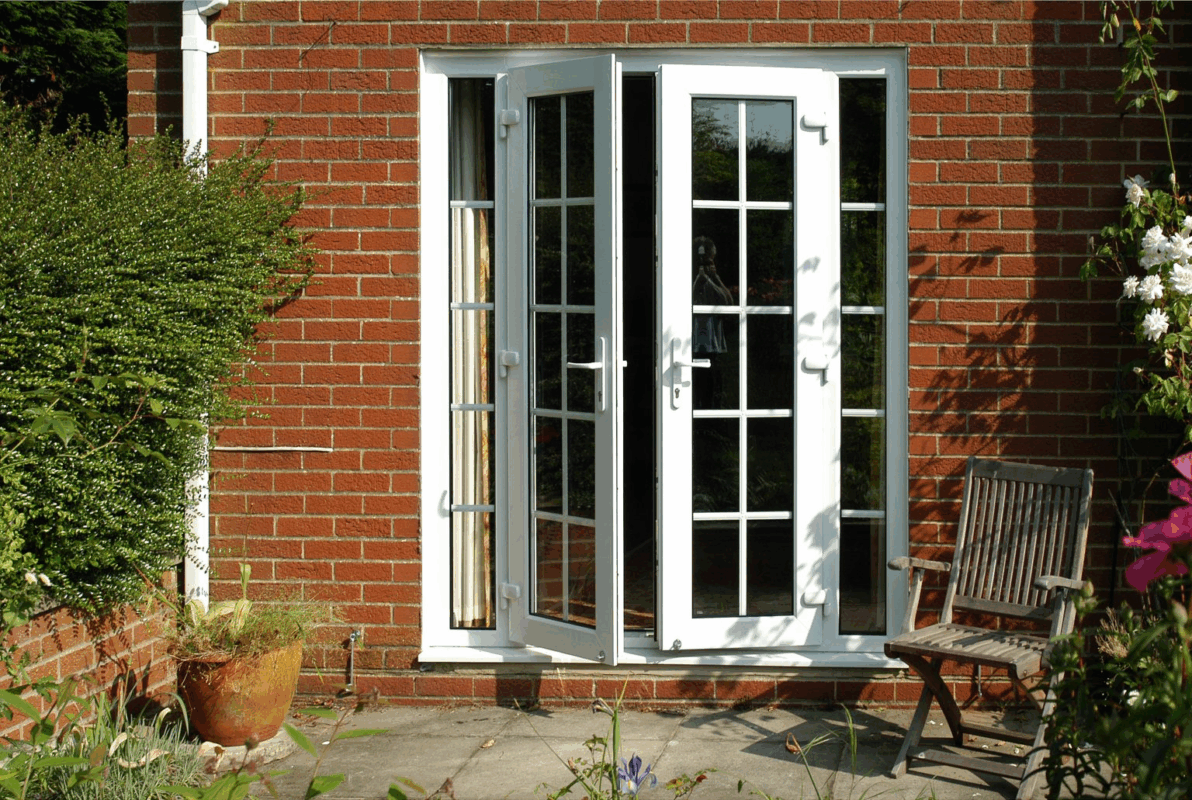
Before fixing a draught, it helps to understand where the cold air is coming from. Even a small gap around an external door can allow noticeable amounts of air to enter your home, particularly on windy days.
Here are some of the most common causes.
1. Worn or Damaged Weather Seals
Weather seals sit around the edges of a door to help prevent air and moisture from passing through the gaps between the door and its frame.
Over time, these seals can become flattened, cracked, loose or damaged. When this happens, the door may no longer close tightly enough to keep cold air outside.
If you notice a draught along the sides or top of your front door, inspect the seals for visible damage. Replacing worn seals with suitable replacements may help restore a better fit.
2. A Gap Beneath the Door
The gap beneath your front door is another common source of cold air. You may notice a chilly breeze moving across the hallway floor, particularly when the weather is windy.
This can happen if the door has an unsuitable threshold seal, the existing seal has worn out or the door does not sit correctly within its frame.
Checking the bottom edge of the door can help you determine whether a draught excluder or threshold adjustment might solve the problem.
3. Loose Hinges or Poor Door Alignment
Front doors need to sit correctly within their frames to close securely. If hinges become loose or the door drops slightly over time, gaps may develop around its edges.
You might also notice that the door catches against the frame, becomes difficult to lock or needs extra force to close.
These signs may indicate that the hinges, locking mechanism or door alignment need attention. If simple adjustments do not resolve the issue, a professional inspection can help identify the cause.
4. Gaps Around the Door Frame
Sometimes, the draught does not come through the door itself. Instead, cold air enters through gaps between the door frame and the surrounding wall.
These gaps may result from poor sealing, deterioration of existing materials or problems that developed during installation.
If you can feel cold air around the outer edges of the frame, inspect the area carefully. Damaged sealant may need replacing, while larger gaps or signs of structural movement may require professional attention.
7 Ways to Stop Cold Air Coming Through Your Front Door
Once you have identified the likely source of the draught, you can choose the most suitable solution. Some fixes are straightforward DIY tasks, while others may require help from a professional.
1. Replace Worn Weather Stripping
One of the simplest ways to stop draughts around your front door is to replace damaged weather seals.
Weather seals are designed to create a tighter seal between the door and its frame when the door is closed. They are available in different materials and designs, so choosing the correct type for your door is important.
To get started:
- Inspect the seals around the sides and top of the door.
- Look for cracks, flattened sections or loose material.
- Remove damaged seals if they are designed to be replaced.
- Clean the surface before fitting the new seal.
- Follow the manufacturer’s instructions to ensure a suitable fit.
Avoid choosing seals that are too thick. If the replacement material prevents the door from closing properly, it may interfere with the locking mechanism or damage the seal.
If your door uses a specialist integrated sealing system, check the manufacturer’s guidance before attempting a replacement.
2. Fit a Draught Excluder Along the Bottom
If cold air is entering beneath your front door, a suitable draught excluder may help.
There are several options to consider, depending on the door and threshold.
Brush draught excluders: These use flexible bristles to reduce gaps beneath a door. They can be useful where the floor is slightly uneven.
Rubber door seals: These create a barrier against unwanted air when the door closes against a suitable surface.
Threshold seals: These are designed to close the gap between the bottom of the door and the threshold.
Before choosing a product, measure the gap and check that the seal is compatible with your door. A poorly fitted draught excluder can make the door difficult to open or close.
For a quick temporary solution, a fabric draught stopper placed inside the doorway may reduce the amount of cold air moving across the floor. However, it will not provide the same seal as a properly fitted door seal.
3. Check and Adjust the Door Hinges
If your front door does not sit evenly in its frame, adjusting the hinges may help reduce draughts.
Start by checking whether the gaps around the door are even. Look for signs that one corner sits lower than the others or that the door rubs against the frame when closing.
If the hinges are visibly loose, tightening accessible screws may help. However, not all doors have adjustable hinges, and the correct adjustment method depends on the door’s design.
Avoid making large adjustments without understanding how the hinges and locking mechanism work. An incorrectly adjusted door may become harder to lock or may no longer close securely.
If the door has dropped significantly, the frame is damaged or the lock no longer lines up properly, ask a qualified door installer to inspect it.
4. Seal Gaps Around the Door Frame
If cold air is entering between the frame and the surrounding wall, repairing the seal may help.
First, identify exactly where the air is entering. Check for cracked sealant, visible gaps or sections where the existing material has separated from the frame.
For small gaps, a suitable sealant may be sufficient. The correct product will depend on whether the gap is on the inside or outside and the materials involved.
Larger gaps may need more substantial repair rather than simply applying another layer of sealant.
Take care not to cover drainage openings or other features designed to manage moisture. If you notice dampness, water ingress, cracking or movement around the frame, have the underlying cause checked before sealing the area.
5. Check the Letterbox and Keyhole
If your front door has a letterbox, cold air may enter through a worn flap or a poorly fitted letterbox assembly.
A letterbox brush or suitable weatherproof flap can help reduce unwanted airflow. Check that the flap moves freely and closes properly after use.
You should also inspect the keyhole for a draught. A purpose-made keyhole cover may help reduce airflow while allowing you to use the lock normally.
These small improvements will not solve a large gap around the door, but they can help address additional sources of cold air.
Choose fittings that are compatible with your door and do not interfere with the lock, handle or other security features.
6. Use a Heavy Door Curtain
A heavy door curtain can provide an additional layer between your hallway and the cold air around the entrance.
Thick curtains may help reduce heat loss and make the area feel more comfortable, particularly in older homes with a draughty entrance.
For the best results, choose a curtain that covers the doorway adequately and fits close to the surrounding area without obstructing the door.
However, a curtain is a supplementary measure rather than a replacement for proper draught-proofing. If cold air is entering through damaged seals or a poorly fitted frame, addressing the underlying problem is likely to provide a more effective long-term solution.
Make sure the curtain does not obstruct the door or create a safety hazard, especially along an escape route.
7. Check Whether Your Front Door Needs Professional Attention
If you have tried basic draught-proofing measures but cold air continues to enter, it may be time to investigate the door’s overall condition.
Persistent draughts can indicate worn seals, poor alignment, damaged frames or a door that no longer fits properly.
You may also notice other warning signs, including:
- Difficulty opening or closing the door.
- A lock or handle that no longer operates smoothly.
- Visible gaps that remain despite replacing the seals.
- Signs of water entering around the frame.
- Noticeable cold spots around the doorway.
- Deterioration of the door or frame.
These problems do not automatically mean you need a new front door. In many cases, a repair or adjustment may be enough.
A professional assessment can help establish whether the issue can be resolved by replacing seals, adjusting the door or repairing the frame, or whether a replacement would be a more suitable long-term option.
Can a New Front Door Help Keep Your Home Warmer?
If your existing front door is damaged, poorly fitted or difficult to seal effectively, replacing it may help reduce unwanted draughts.
Modern external doors are available in a range of materials and designs, with features intended to improve thermal performance, weather resistance and security.
However, the performance of a replacement door depends on more than the door material alone. The quality of the frame, the sealing system and the installation all play important roles.
When choosing a new front door, consider the following factors.
Thermal Performance
Look for information about the door’s thermal performance. A well-insulated door with suitable seals can help limit heat loss and reduce unwanted air movement.
Ask the supplier for relevant product specifications rather than assuming that every modern door offers the same level of insulation.
Weather Seals and Fit
Effective weather seals help close the gaps between the door and frame. The door should also be fitted correctly so that it closes securely without leaving unwanted openings.
Professional installation can help ensure that the frame, threshold, hinges and seals work together as intended.
Material and Design
Composite and uPVC doors are two options worth considering.
Composite doors combine different materials to provide a particular balance of strength, appearance and performance. uPVC doors offer another option, with a range of styles and finishes.
The right choice will depend on your property’s requirements, your budget, the appearance you prefer and the product’s specifications.
Explore composite doors and uPVC doors to compare the available styles and features.
If you are considering replacing your existing front door, start your online quote to explore your options.
How to Prevent Front Door Draughts Before Winter
Taking a little time to inspect your front door before temperatures drop can help you identify problems early.
Use this simple checklist:
- Inspect the weather seals for wear and damage.
- Check for gaps beneath the door.
- Make sure the door closes and locks correctly.
- Look for uneven gaps around the frame.
- Check the letterbox flap and keyhole.
- Look for damaged sealant or signs of water entering around the frame.
- Arrange professional repairs if the door is difficult to operate or remains draughty.
It is also important to maintain adequate ventilation throughout your home. Draught-proofing should address unwanted gaps rather than block intentional ventilation openings. Good ventilation helps control moisture and reduces the risk of condensation.
If you live in a flat or have a front door that is also a designated fire door, check the relevant requirements before making alterations. Any work must preserve the door’s fire-safety function and ensure it can close correctly.
Need Help With a Draughty Front Door? Contact Starglaze
Cold air coming through your front door can make your home uncomfortable, but replacing the door is not always the first step.
Start by identifying where the draught is coming from. Replacing worn weather seals, fitting a suitable draught excluder or addressing minor gaps may be enough to improve comfort.
If your door is damaged, poorly aligned or no longer seals effectively, professional advice can help you decide whether a repair or replacement is the better option.
Starglaze Home Improvements offers a range of front doors, including composite and uPVC options, to suit different properties and preferences.
If you are considering a new front door, explore the available styles and start your quote online today.
Have questions about your options? Contact Us to discuss your home improvement requirements with our friendly team. You can also reach us on WhatsApp.
With the right solution, you can help make your entrance more comfortable and prepare your home for the colder months.

